Nothing set December 8, 2026 as the date it will reveal its first AI-native hardware, posting three words on X on November 20 with a close-up of one polished metal curve: "Be present. It's noted." After Humane's AI Pin sold to HP for a fraction of what investors put in, and after Rabbit raised $170 million for a device that shipped security vulnerabilities alongside its software, Nothing is the third major attempt to put AI in your pocket outside your phone. This time, the company entering the arena has an installed base of more than one million devices, existing AI software running on those devices today, and a founder who built and sold one successful hardware brand before. That's a distinctly different starting position than its predecessors had.
What the Teasers Confirm and What They Deliberately Leave Open
Three separate signals in the last three weeks give the clearest picture yet of what Nothing is building. On November 5, Carl Pei wrote on X: "Everyone's chasing the iPhone of AI. We think it's the wrong race. Our first AI-native product ships next month. No new screen. Couldn't have been an app." On November 10, he posted a short dark video clip with the line "Context doesn't live in a chat box." On November 20, Nothing's official X account posted "Be present. It's noted." alongside a close-up of a curved polished metal component, confirming December 8 as the reveal date, as reported by tech-ish.
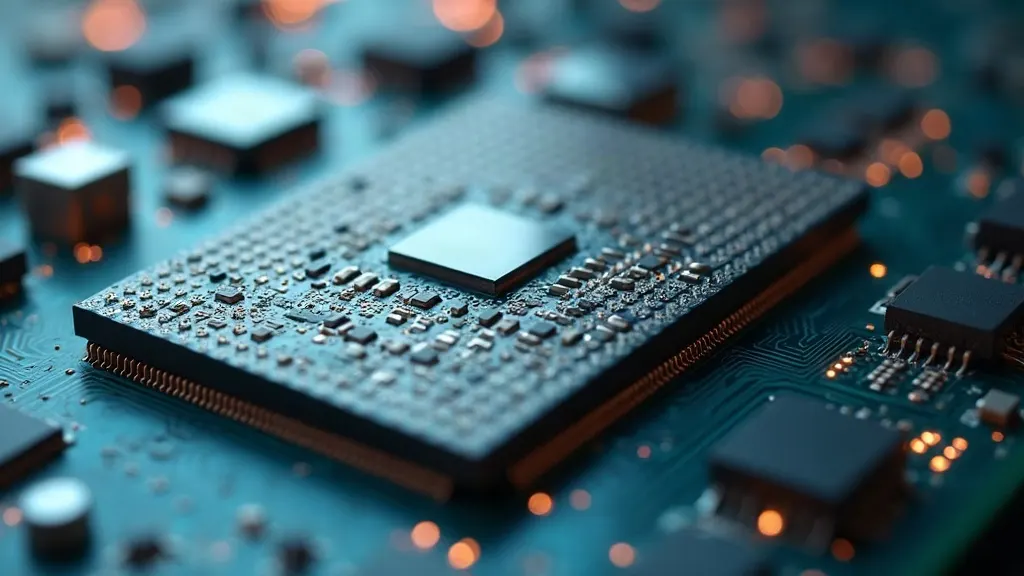
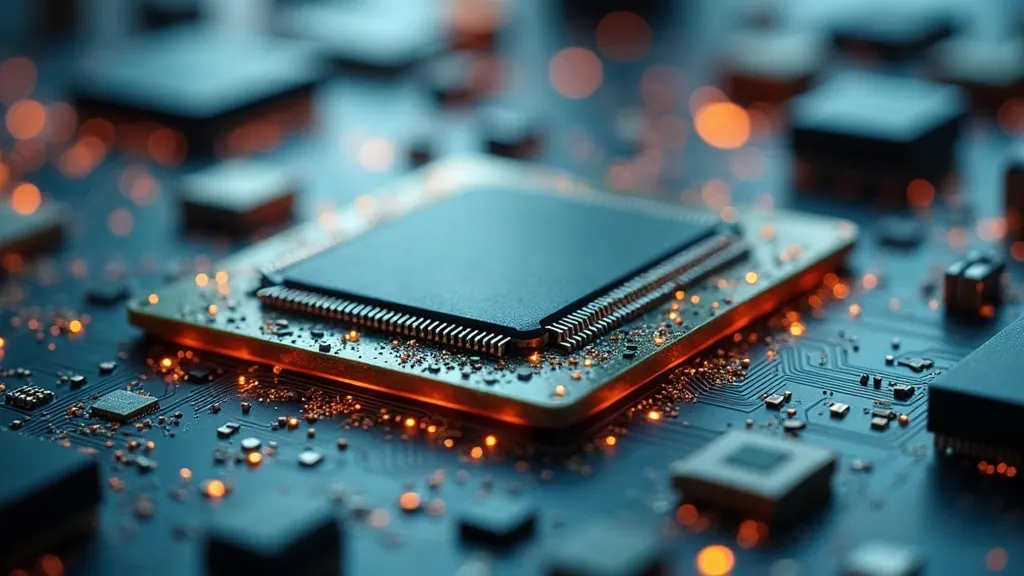
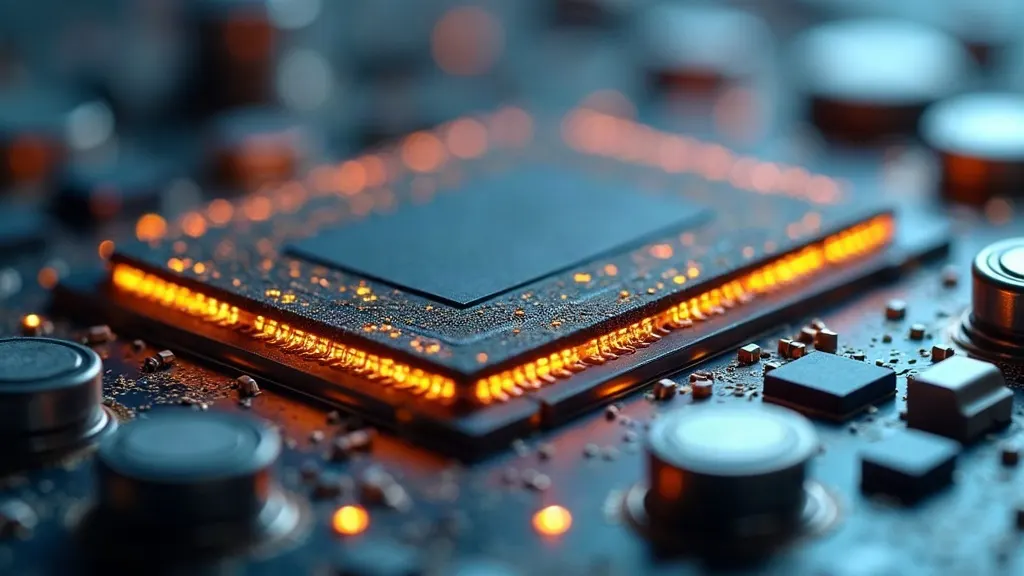
Leaked component images, reported on November 20 by Digit, show a device approximately the size of two KitKat chocolate bars stacked end to end. The body carries two physical controls: a large button marked with a red recording dot and a second button labelled "TALK." A pair of indicator lights, one red and one green, sit next to the controls, and a groove on the underside appears designed for a pogo-pin accessory connector. A narrow opening at one end is consistent with a microphone port. On November 19, Sebastian Ingrosso of Swedish House Mafia posted a photo on X of a small black gadget tagged @nothing with a visible red record button, though Nothing has not officially confirmed the device in the image is the one launching December 8.
What those teasers don't answer is the question that will determine whether this product builds a category or becomes a footnote: will it require a monthly subscription? Nothing's existing Essential Space feature, which turns phone voice recordings into AI summaries through the Essential Key button on the Phone (2a) and Phone (3a), runs on a Nothing account without an additional fee beyond the phone purchase. The company has not said whether the standalone AI device will charge separately for cloud processing, transcript storage, or model access. That answer, more than any hardware specification, will dictate the device's ceiling.
Why $700 Million in AI Hardware Failures Hangs Over December 8
The AI hardware category has collected serious wreckage since 2024. Humane raised approximately $240 million in venture funding before its AI Pin launched at $699 in May 2024, backed by partnerships with OpenAI, Microsoft, and Salesforce. Within 12 months, the company had sold fewer than 10,000 units, with reviews widely describing the Pin as slow, unreliable, and hot to the touch. The laser projector that displayed text on a user's palm, the device's signature feature, worked inconsistently in daylight. HP acquired Humane's assets for a reported $116 million in mid-2025, roughly half the amount investors had contributed. The AI Pin required a $24 monthly subscription on top of its purchase price, and users found that every use case the Pin handled, voice queries, translation, photo summaries, was performed faster and more reliably by pulling out their phone.
Rabbit raised approximately $170 million for the R1, launched at $199 in January 2024 at CES. The pitch was an AI device built on a "large action model" that could use apps on your behalf, booking rides and food delivery without you opening your phone. Within weeks of launch, security researchers at the group Rabbitude found that the credentials for user accounts across Uber, DoorDash, Midjourney, and several other connected services were stored insecurely in the R1's backend infrastructure, exposing users' linked accounts to any party with access to those backend keys. Rabbit pushed fixes but the headlines stuck. The company did not publicly disclose total units shipped or monthly active users through 2025, and the R1 remained in an extended software improvement phase while competitor devices from major brands began reaching market.
Nothing's advantage over both predecessors is an installed base. The company has shipped over one million phones since 2021, spanning the Phone (1), Phone (2), Phone (2a), Phone (3), and Phone (3a) across Europe, Asia, and select markets in the United States. Its CMF by Nothing sub-brand extended the product line into sub-$100 earbuds and cases, bringing new buyers to the ecosystem at lower entry points. That installed base means Nothing has at least several hundred thousand active users already familiar with the brand's design language and already using the Essential Key voice feature. For those users, the screenless AI device isn't a new behavior: it's the Essential Key button separated from the phone. Humane had no existing user base. Rabbit built a launch day crowd from media buzz alone. Nothing starts with a warmer audience than either company ever had.
The company also raised $200 million in September 2025 at a $1.3 billion valuation in a round led by Tiger Global, explicitly citing an AI-native device for 2026 as part of the pitch to investors. That capital gives Nothing the runway to iterate on hardware even if the first device takes longer to find its market, a runway that neither Humane nor Rabbit appeared to have.
The Two-Day Race With Samsung and the Apple Deadline
Nothing is not choosing its timing in a vacuum. Samsung and Google are launching the Intelligent Eyewear on December 10, exactly two days after Nothing's December 8 reveal. The glasses start at $395, weigh approximately 41 grams, carry a 12-megapixel HDR camera, run the Snapdragon AR1 Gen 1 processor, and integrate Google's Gemini AI for real-time ambient assistance. They were designed in collaboration with Gentle Monster and Warby Parker across 30 frame styles, targeting buyers who want an AI layer on their physical world without wearing a device that looks like a prototype from a science fiction film. As reported by 9to5Google, pre-orders opened November 12.
The two-day gap between Nothing's reveal and Samsung's launch is accidental, but the press dynamic it creates is not: technology media will spend the last week of November reviewing both announcements side by side, and whichever product generates more interest in that first week will carry the AI hardware narrative into early 2027. Nothing's device, based on the leaked images, is not eyewear. It is a pocket recorder or clip-on capture device, which puts it in a different functional category: active capture on demand versus ambient always-on awareness. These may not be competing directly, but they are competing for the same pool of buyers who have already decided to try AI hardware in December 2026.
Further out, Bloomberg reported on November 17 that Apple has largely finalized its smart glasses hardware, with a planned reveal at WWDC 2027 in June, as covered by Road to VR. Apple's entry into the AI wearable category would bring Siri AI deeply integrated with iCloud, Apple Health, and the entire iOS ecosystem, plus a retail distribution network of approximately 530 Apple Stores globally. No other AI wearable maker can match that distribution advantage. The window between Nothing's December 8 reveal and WWDC 2027 in June is roughly six months, which is exactly how long Nothing has to prove the concept and build loyalty before the market shifts around it again.
Meta's Ray-Ban smart glasses, running Meta AI, provide the current market benchmark. IDC analysts estimated the Ray-Ban line shipped more than 3 million units globally by the end of 2025 across two generations, with the second generation adding a camera and a feed to Instagram without changing the frame profile or the sub-$350 price. The Ray-Ban's success came from looking like glasses people already wanted to buy, with AI as a bonus rather than the product's entire reason for existing. Nothing's device does not look like anything people already own, which is a risk and a potential brand statement depending on the execution.
The Context Gap Theory That Shapes the TALK Button
Carl Pei's November 5 essay laid out the product philosophy precisely. He calls the problem the "context gap": AI models today can answer nearly any question but they have no access to the conversations, decisions, and observations that constitute a person's actual day. That knowledge lives in the physical world, not in a chat window. His conclusion is that closing that gap requires hardware dedicated to capturing context, something a phone app cannot do because the phone stays face-down in a pocket while the meeting, the conversation, and the spontaneous insight happen around it.
That framing maps directly to the "TALK" button in the leaked images. Push-to-talk AI capture means raising the device, pressing the button, speaking, and letting the device route the audio through an AI pipeline either on-device or in the cloud to produce a summary, an action item, or a searchable note. The red recording indicator shows when capture is active. The simplicity of that interaction is the core pitch: one physical action, one AI output. It is a narrower bet than the AI Pin's ambient projection or the Rabbit R1's app-using large action model. Narrower bets tend to execute more cleanly in hardware, because the engineering team is optimizing for one flow instead of twenty.
Nothing has also done something neither Humane nor Rabbit managed to do: it shipped the software first. The Nothing Essential Space feature, available today on Nothing phones via the Essential Key, already handles voice-to-AI-summary workflows for phone users. The new device would extract that feature from the phone, give it a dedicated form factor, and add standalone connectivity. That architecture means day-one software that works because it has been in production use on a million devices across Europe and Asia. Humane's AI Pin shipped with software that had not had the same kind of real-world conditioning. Nothing's approach is closer to how Apple built the first iPod, as a great-physical-interface version of software it already knew how to run.
The Bear Case: Why This Could Be Humane's Sequel
The bear case for Nothing's AI device is direct, however: the same phone that runs ChatGPT, records voice memos, and transcribes meetings in real time already lives in your pocket, and it costs $500 to $1,000 that most buyers have already spent. Plaud Note, an AI voice recorder priced at around $130, found a niche among journalists, students, and executives who wanted a dedicated capture device without paying for a full AI subscription service. The same use case Nothing appears to be targeting, capturing what you say and turning it into organized notes, is already served by Plaud, by Otter.ai at $17 per month running on a phone, and by Apple's native transcription in iOS 18 and macOS Sequoia that costs nothing beyond the hardware already owned. Adding a new device to your daily carry requires a reason that an app literally cannot match, not just a reason that an app matches less elegantly.
Critics argue the AI hardware failures of 2024 and 2025 were not primarily hardware failures. They were distribution failures combined with software over-promise. Humane and Rabbit built devices that required users to adopt new behaviors, then sold those devices online to tech-first buyers who already had competing solutions on their phones. Nothing has an advantage in distribution through its phone business and partnerships with carriers in the United Kingdom, Europe, and parts of Asia, but it has not built US carrier relationships. If the December device launches online-first globally, it starts with the same structural distribution disadvantage Humane and Rabbit had, regardless of how polished the hardware is.
The subscription risk compounds this. If the device costs more than $200 and requires a monthly fee for cloud AI processing, the first-year total cost of ownership would exceed $400. At that price point, the Samsung Intelligent Eyewear at $395 becomes a direct alternative with better name recognition, a more socially acceptable form factor, and the Google AI ecosystem behind it. Nothing needs either a price below $150 or confirmed on-device AI processing to avoid the trap that ended the AI Pin. Pei's essay did not address cost or subscription model at all, which means the most important reveal on December 8 will not be what the device looks like. It will be what it costs per month.
Key Signals to Watch Before and After the Reveal
Between now and December 8, the most informative signal is whether Nothing releases another X post that names the device or provides a price. Pei's campaign has followed a consistent cadence: a text post on November 5, a video on November 10, a launch date post on November 20. If the pattern continues, a fourth post could appear around November 25 to 27, possibly with the device name or a pre-order date. Watch Pei's X account and Nothing's official account for any update that breaks from the established pattern of withholding specifics.
On December 8, the numbers that will shape the narrative are price, subscription structure, and launch countries. A price below $150 positions the device as an impulse buy for the existing Nothing phone audience. A price above $250 creates friction and demand justification. A subscription above $10 per month will trigger immediate comparisons to the Humane AI Pin's $24 monthly fee and the negative press that followed. Launch in the United Kingdom and India only signals European-first strategy; a simultaneous US launch signals that Nothing believes it can reach mainstream buyers, not just enthusiasts.
By the end of Q1 2027, the return rate will tell more than any review. High initial sales followed by high returns, the Humane pattern, signal a product that demos well but fails to deliver daily value. Watch for any Nothing statement on return policy, refund rate, or monthly active users in January 2027. The device's fate in the first 90 days after sale is a stronger predictor of long-term success than any launch-day review score. By WWDC 2027 in June, the market context will shift when Apple reveals its glasses. Any Nothing device priced above $300 or requiring a subscription will face direct pressure from whatever Apple announces. The six months between December 8 and WWDC 2027 is the actual window Nothing has to establish itself.
AI doesn't have your context because it doesn't live where you do, and no app released so far has fixed that.
Key Takeaways
- December 8, 2026 reveal confirmed Nothing announced the date on X on November 20 with the teaser "Be present. It's noted." alongside a close-up image of the device body
- Leaked images show a compact, button-driven form a body the size of two KitKat bars with a red recording button and a 'TALK' button, no screen
- Nothing raised $200 million at a $1.3 billion valuation in September 2025 led by Tiger Global, with an AI-native device explicitly named in the fundraising pitch
- Samsung Intelligent Eyewear launches December 10 two days after Nothing's reveal, starting at $395, creating an immediate comparison point and competitive pressure
- Humane AI Pin sold to HP for $116 million on roughly $240 million invested; Rabbit R1 raised $170 million both failed to build lasting user bases, leaving the door open for a hardware maker with an installed base
Questions Worth Asking
- If the device requires a monthly cloud processing subscription above $10, does the total cost of ownership justify a separate physical gadget when iOS 18 transcription is already free on a phone you own?
- Can Nothing's one-million-unit phone installed base convert into early adopters at a scale that Humane and Rabbit never reached, or do phone buyers and AI hardware buyers respond to completely different purchasing motivations?
- What does the AI wearable market look like six months after December 8 if Apple reveals smart glasses at WWDC 2027 with on-device Siri, iCloud integration, and a price below $400?