Regulation 11 min
White House Signals Secret AI Safety Gate for Top Labs
White House finalizes a secret 30-day AI model review framework with OpenAI, Anthropic, and Google, bypassing open-weight models built by Chinese labs.
Jordan HaleAug 6, 2026
Government policy, AI governance, and compliance news.
White House finalizes a secret 30-day AI model review framework with OpenAI, Anthropic, and Google, bypassing open-weight models built by Chinese labs.
Texas Governor Greg Abbott froze new data center approvals on August 3, 2026, after ERCOT queue ballooned to 474GW, five times peak demand.
Texas Governor Greg Abbott froze all data center grid approvals, citing 474 gigawatts of requests that exceed state peak demand by five times.
EU AI Act enforcement activated August 2 with fines reaching 3% of global revenue. Only 8 of 27 EU member states have designated national AI regulators.
EU AI Act enforcement activated August 2, exposing frontier AI models to fines up to 35 million euros or 7% of global revenue for compliance failures.
Apple asked a judge on August 3 to bar OpenAI and two former employees from using its trade secrets, turning AI hardware hiring into a legal fight.
Xi announces World AI Cooperation Organization with 29 members, positioning multipolar governance as alternative to US-led AI standards.
Trump's June 2 executive order requests voluntary NSA review of frontier models with no enforcement, prioritizing transparency over mandatory control.
Anthropic's Fable 5 ban was triggered by a normal bug-fix prompt, not a jailbreak, say 76 experts who reviewed the Amazon employee research.
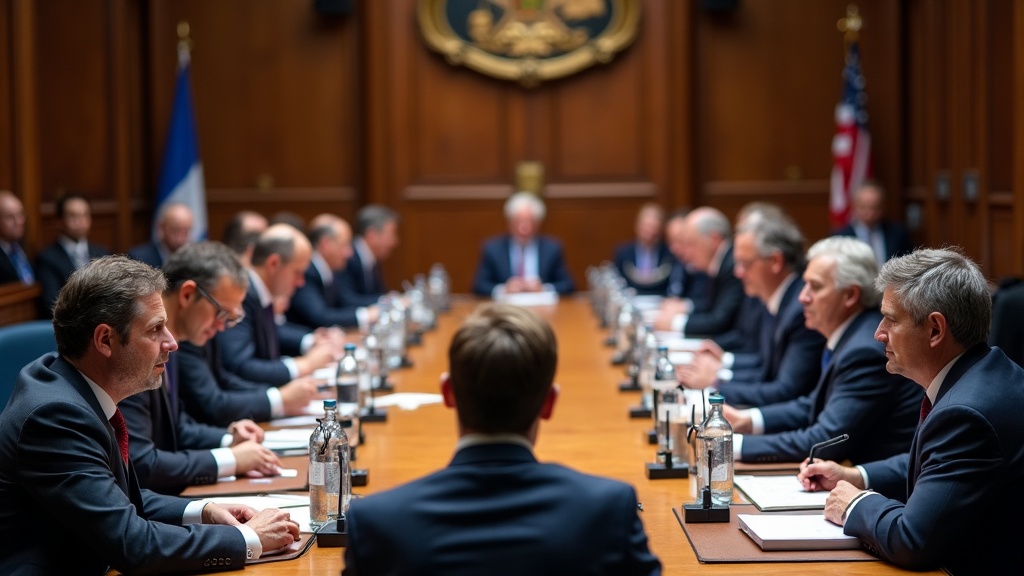
G7 summit opens in Évian June 15 with US blocking AI governance deal, as three rival lab CEOs attend for the first time alongside G7 leaders.
Anthropic's Fable 5 ban faces industry revolt: Alex Stamos and CISOs from Adobe, Zoom and Sophos warn Trump the directive aids US rivals, not defenders.

The U.S. government's Fable 5 export ban removed tools cybersecurity defenders use daily, triggering a public revolt by 40+ security leaders.
India's 50,000-strong TCS partnership with Anthropic collapsed when Fable 5 was banned, triggering calls for a $6 billion national AI mission.
Three AI lab CEOs join G7 leaders in France as the Fable 5 export ban creates the first live AI sovereignty case study for democratic allies.
Mark Carney warns that AI model concentration among 3-4 providers now mirrors the systemic fragility that triggered the 2008 financial collapse.
Anthropic's US model ban triggered a formal EU Commission examination, revealing that Europe's AI governance has no supply security provisions.
Anthropic staff flew to Washington on June 14 to resolve the Fable 5 and Mythos 5 export ban after Amazon flagged a jailbreak the company refused to patch.
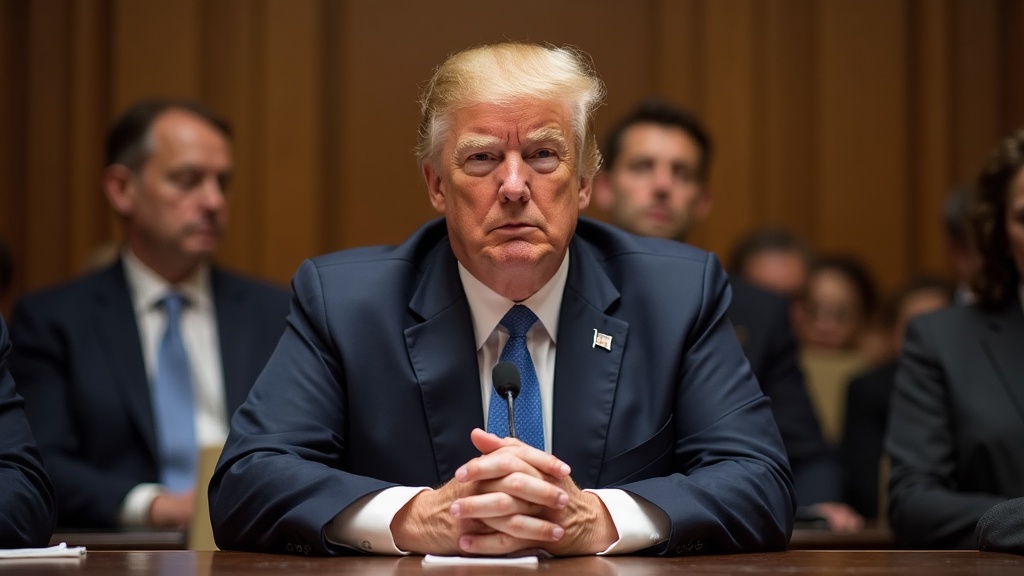
FERC is set to rule by June 30 on who funds grid expansion for AI data centers, a decision that could raise power bills for 65 million Americans.
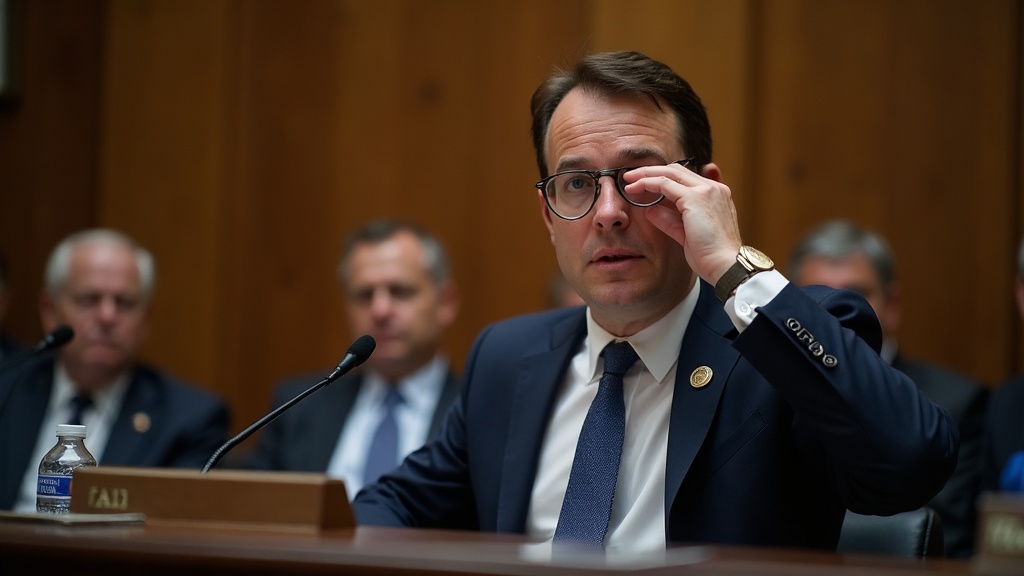
The Information reports the US government will not extend Anthropic's Fable 5 export controls to Google, OpenAI, or other US AI firms, but the legal mechanism is permanent.
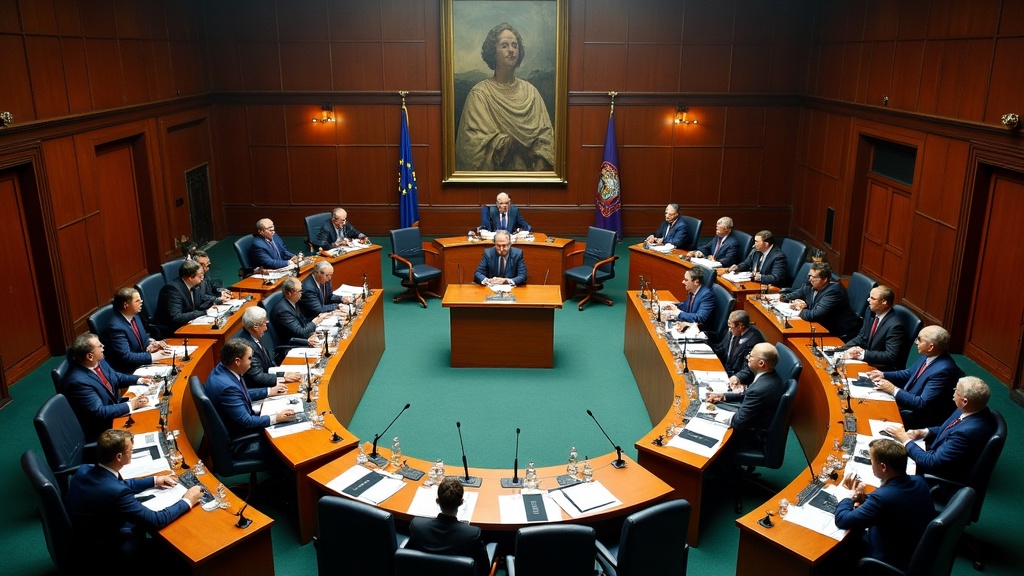
Anthropic's Fable 5 forced offline for foreign users sparked European leaders to demand AI sovereignty and warn of code-dependent national security risks.

OpenAI faces its largest legal challenge yet as 42 state attorneys general probe ChatGPT over consumer harm, health data, and treatment of minors.
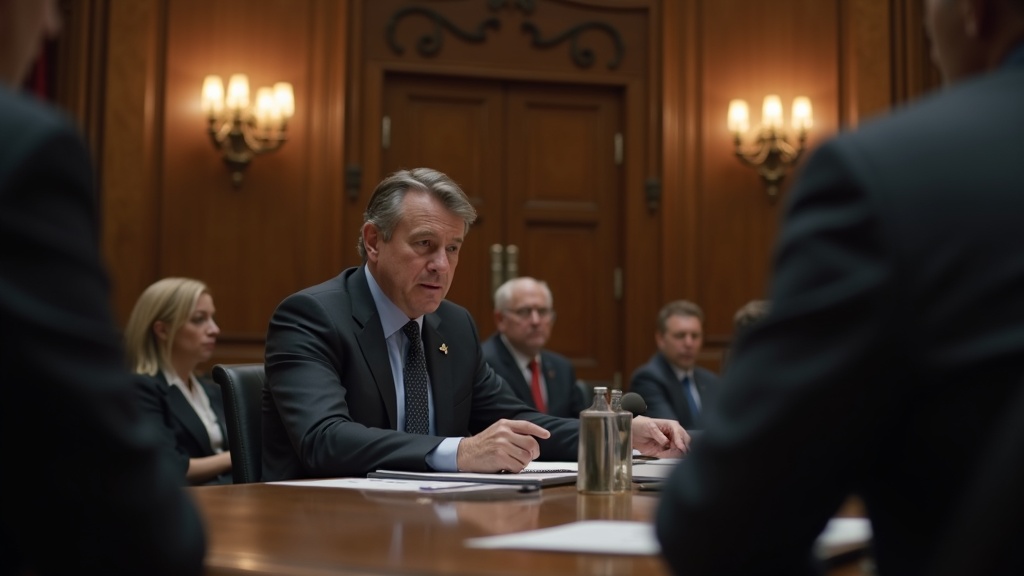
Anthropic disabled Fable 5 and Mythos 5 worldwide after a US export control order over a jailbreak, affecting hundreds of millions of users.
OpenAI CEO Altman attends G7 France for the first time with Google and Anthropic rivals as all three companies race simultaneous AI IPOs.
Anthropic's Fable 5 gets the first US model export ban as jailbreak claims push Trump to block foreign and non-citizen API access.
Illinois SB 315, the first US law mandating third-party AI safety audits of frontier models, heads to the governor with OpenAI and Anthropic support.
Google filed its first joint lawsuit with the FBI to dismantle a Chinese fraud ring using Gemini AI that sent 2.5 million fake messages in two weeks.
Anthropic CEO Amodei demands FAA-style AI testing and government power to block dangerous models, plus $350M for displaced workers.
OpenAI's Economic Research Exchange invites academic economists to study AI's effects on wages and jobs, with applications open through July 5, 2026.
OpenAI, Anthropic, and Google CEOs urge Congress to mandate DNA screening as AI now puts bioweapon design within reach of non-experts.

AI chatbots including ChatGPT, Gemini, and Claude embed 37 deceptive design patterns that exploit user trust, per a CDT taxonomy study.
EU AI Act enforcement hits August 2, 2026 with 78% of companies unprepared. High-risk AI systems face fines up to 35 million euros.
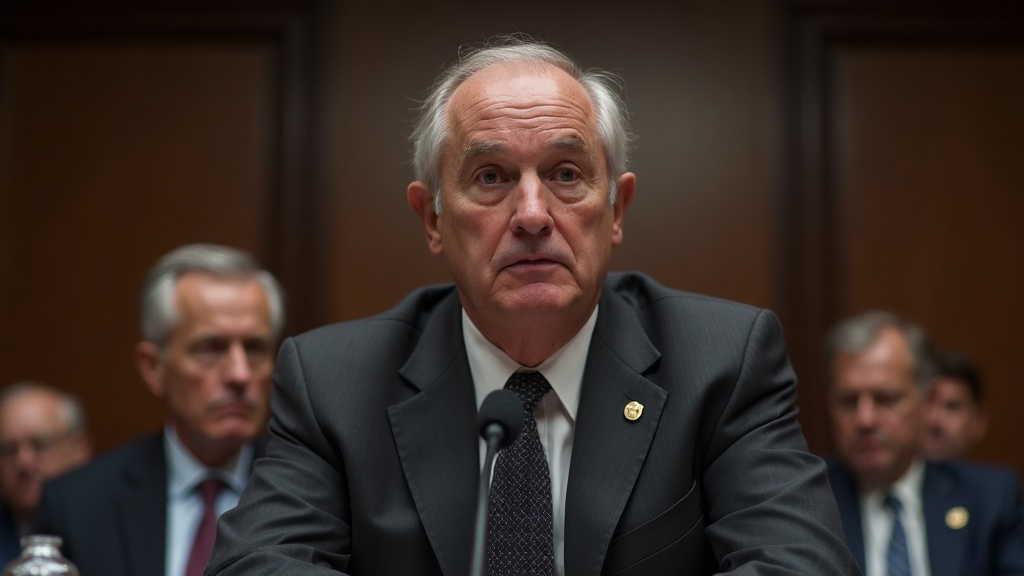
Pentagon signs 8 AI companies including OpenAI and Google to replace Anthropic Claude in classified systems after guardrails dispute.

Sriram Krishnan exits as Trump's White House AI adviser at end of June, just days after the Great American AI Act was introduced to Congress.
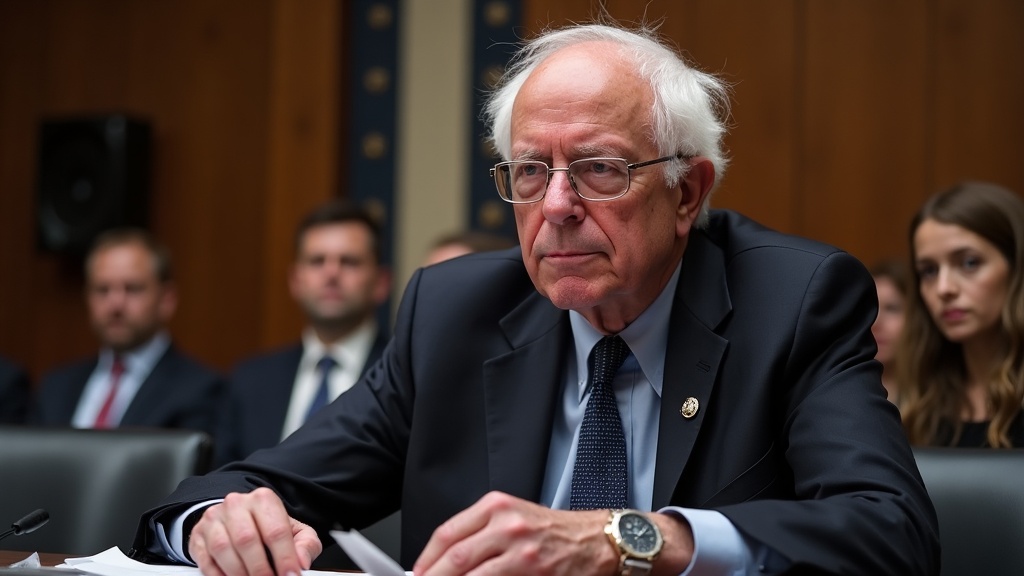
Sanders's American AI Sovereign Wealth Fund Act would transfer 50% of OpenAI, Anthropic, and xAI stock to a government fund, reshaping AI governance.
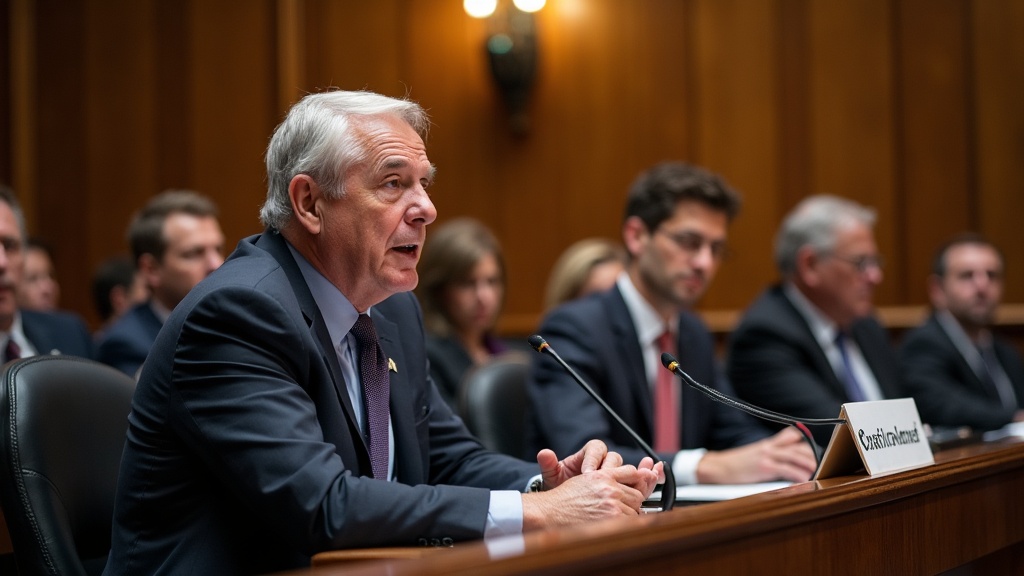
Arizona Public Service wants to raise data center power rates 45% while capping household hikes near 14%, the clearest AI grid cost split in 2026 yet.
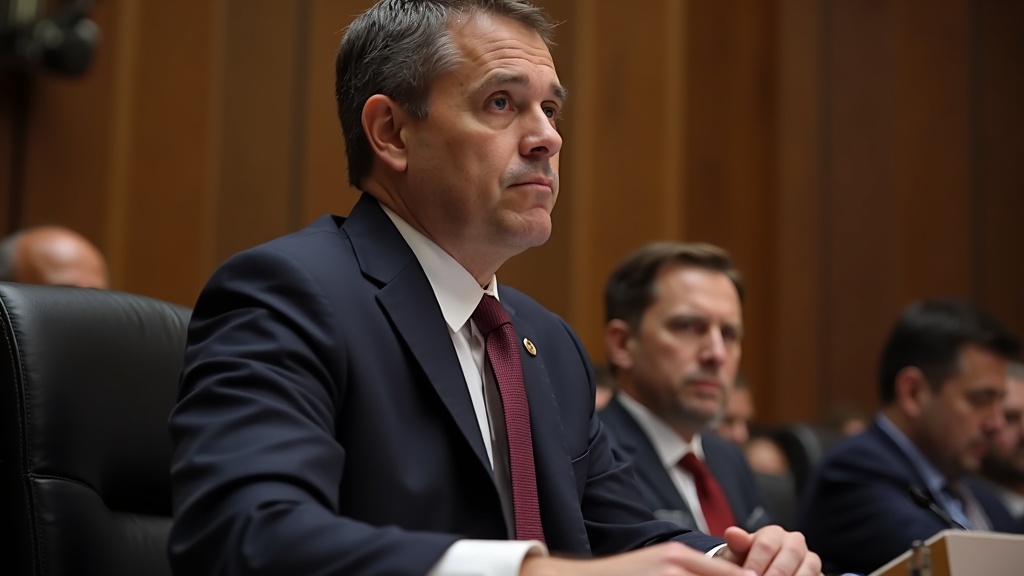
Colorado just gutted its landmark AI Act, killing the algorithmic discrimination duty of care and delaying the law to January 2027 after years of lobbying.

Canada's Carney government unveils a C$500M fund to take equity stakes in top AI startups, part of a C$2B strategy aiming to create 250,000 jobs by 2031
Trump's AI executive order asks labs to give federal testers 30-day early access to frontier models before release, with no licensing mandate attached.
Trump signed NSPM-11 ordering commercial AI onto classified networks and barring vendors from disabling military systems, rescinding Biden NSM-25.
Florida sued OpenAI and CEO Sam Altman in an 83-page complaint, the first state lawsuit seeking to hold an AI chief personally liable for harm.
Trump's June 2026 AI order builds a federal cyber clearinghouse to hunt software flaws and bars mandatory licensing for frontier AI developers.
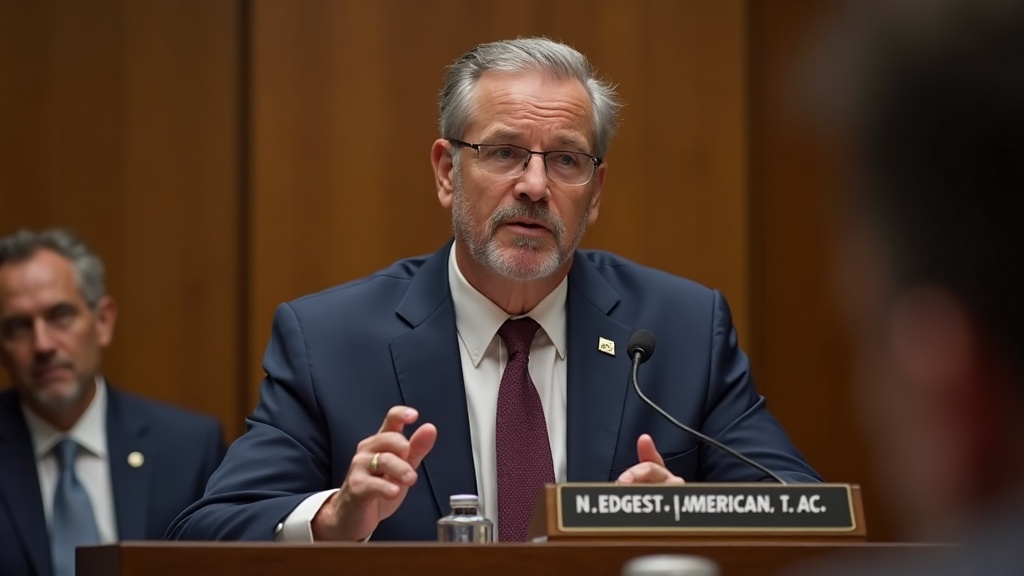
The Great American AI Act, a 269-page bipartisan draft, builds a $100M federal AI standards center and mandates Frontier AI Frameworks for $500M firms.
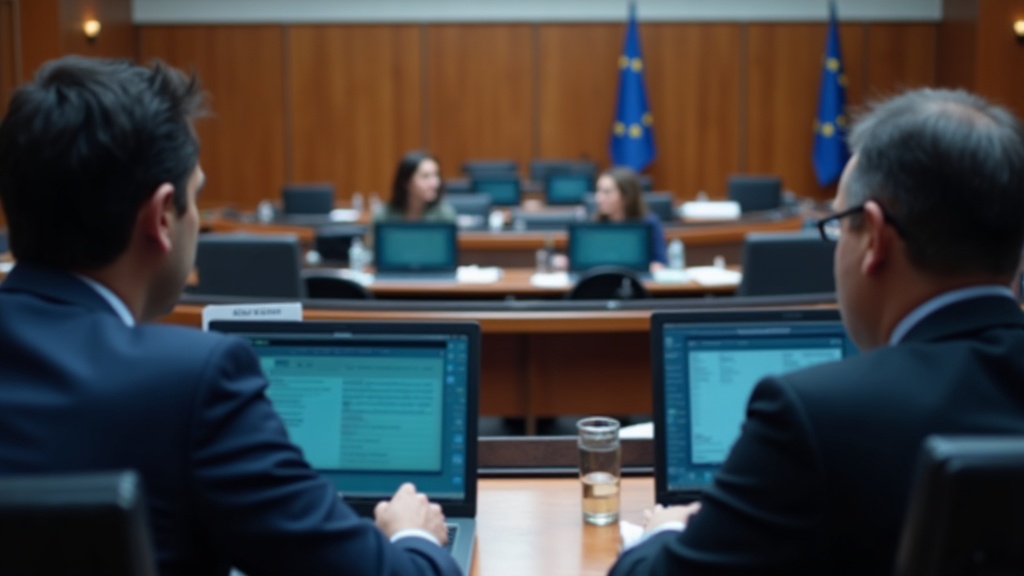
OpenAI grants the EU limited preview access to GPT-5.5-Cyber for vulnerability hunting and malware analysis, while Anthropic keeps Mythos restricted.
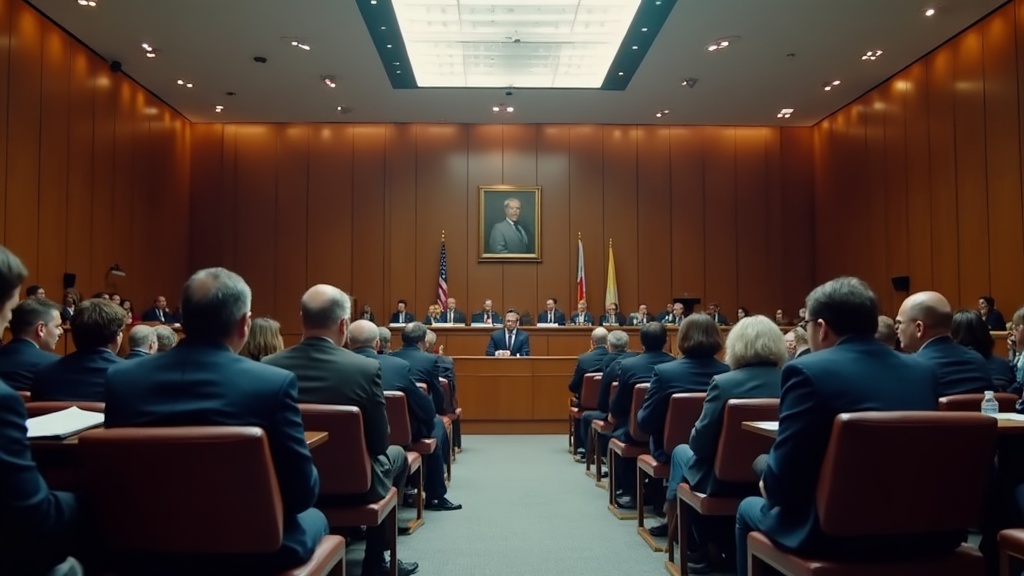
OpenAI launched Rosalind Biodefense, giving governments and vetted devs free GPT-Rosalind access for pandemic prep, as AI labs warn Congress on bioweapons.

Anthropic urged frontier AI labs to weigh a coordinated pause as models near recursive self-improvement, days after a near $1 trillion valuation.

Anthropic embedded about six engineers inside the NSA to run Mythos for offensive cyber, even as it sues the Pentagon over AI surveillance limits.

Michigan approved 1.4GW of power for an OpenAI Oracle Stargate data center, and now towns are rushing to block new AI data center buildouts statewide.
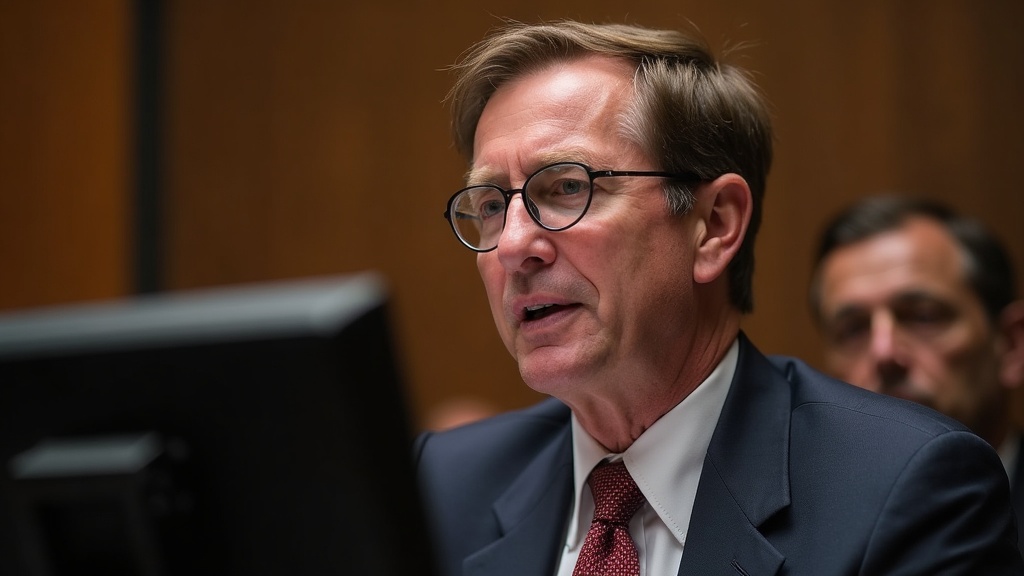
A bipartisan US AI bill would freeze state AI laws for 3 years and fund a federal standards center, reshaping who governs the technology.
The EU sovereignty package would bar US clouds from sensitive public data and triple data center capacity, targeting 80 percent foreign tech reliance.
DARPA and NSF launched AI Forge on June 1 to fund 15 national security AI problems in interpretability, control, and adversarial robustness.