
Funding 12 min
Lovable Doubles to a 12B Valuation in AI Coding 2026
Lovable is in talks to raise at a 12 billion valuation, nearly double its last round, on 200 million ARR as the vibe coding race accelerates.
Jordan HaleJun 6, 2026
Archive
Showing 289–336, newest first. Page 7 of 22.
Lovable is in talks to raise at a 12 billion valuation, nearly double its last round, on 200 million ARR as the vibe coding race accelerates.

OpenAI is in talks to give the US government equity in a Public Wealth Fund, a stake that could reshape AI regulation as it nears a 2026 IPO.

Veeam's survey of 600 executives found 88% use AI agents but only 7% are ready, with 95% reporting unauthorized AI and just 25% offering alternatives.
Florida sued OpenAI and CEO Sam Altman in an 83-page complaint, the first state lawsuit seeking to hold an AI chief personally liable for harm.

Suno raised $400 million at a $5.4 billion valuation, more than doubling in six months as UMG and Sony press a 61,000-track copyright suit.
Google Gemini Omni Flash launches free AI video generation across YouTube Shorts, Flow, and the Gemini app, with SynthID watermarks on every clip.

Mach Industries raised $300 million at a $1.8 billion valuation led by Infinite Capital and Ribbit to mass produce AI strike drones for the Pentagon.
Mecka AI raised $60 million led by Framework Ventures to train robots on human motion data from body sensors and iPhones, projecting a $100M run rate.

Gemini 3.5 Pro ships a 2 million token context window, double Flash, as Google launches its cheaper model first to pressure rivals on price.

Helion raised $465 million at a $15.5 billion valuation to build the first fusion power plant, betting AI data centers run out of power first.

Flourish raises $500M at a $2.5B valuation to build brain inspired AI that aims to cut model power draw more than tenfold versus large language models.

Vertice buys Vendr to merge $75B in spend data and 250000 negotiations, building the largest procurement AI dataset and 60 autonomous agents.

Snowflake bets $200M on Anthropic Claude to deploy AI agents across 12600 enterprise customers, targeting 90% text-to-SQL accuracy on governed data.
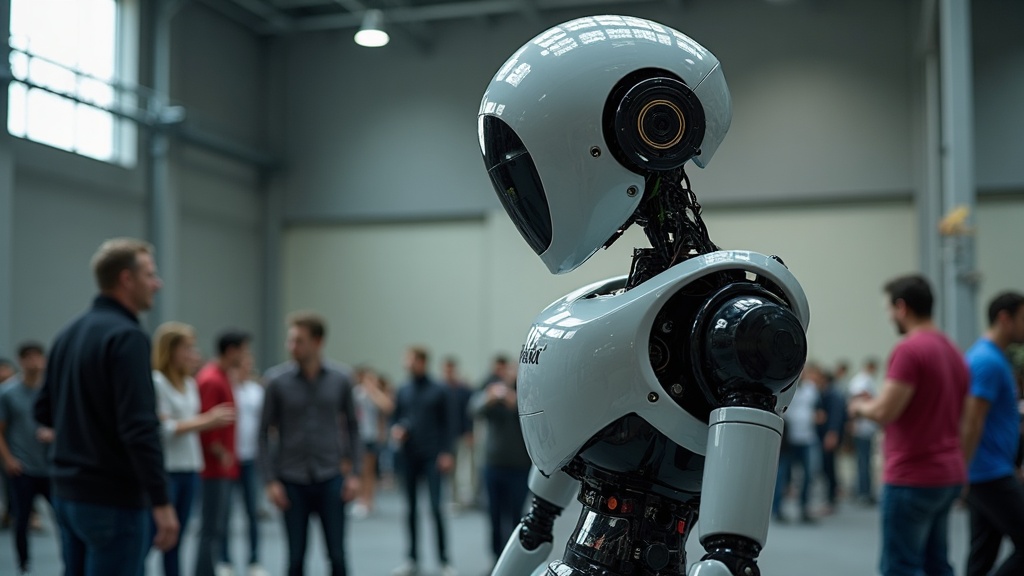
Nvidia's GR00T reference humanoid robot builds an open hardware standard on Unitree and Jetson Thor, a 75 degree of freedom blueprint labs can buy.

Trump's June 2026 AI order builds a federal cyber clearinghouse to hunt software flaws and bars mandatory licensing for frontier AI developers.

Meta cuts 8,000 jobs, about 10% of staff, to fund a $125B to $145B AI buildout in 2026 as Zuckerberg vows no more company-wide layoffs.

Google cut AI Ultra from $250 to $100 a month, undercutting ChatGPT Pro by half and bundling 20TB storage and YouTube Premium to win the AI price war.

Microsoft MAI-Code-1-Flash, a 5B in-house coding model, beats Claude Haiku 4.5 on SWE-Bench Pro and uses up to 60% fewer tokens in GitHub Copilot.

Google Gemini Spark gives AI Ultra users a 24/7 agent run from a Gmail address across Workspace and the web, as Google cuts the plan to $100 a month.
SpaceX will collect up to $45 billion from Anthropic for AI compute through 2029, renting 300MW and 220,000 GPUs as compute scarcity reshapes the race.
Berkshire invests $10 billion in Alphabet's $80 billion AI raise, its first major AI bet and a wager that incumbents not startups win.
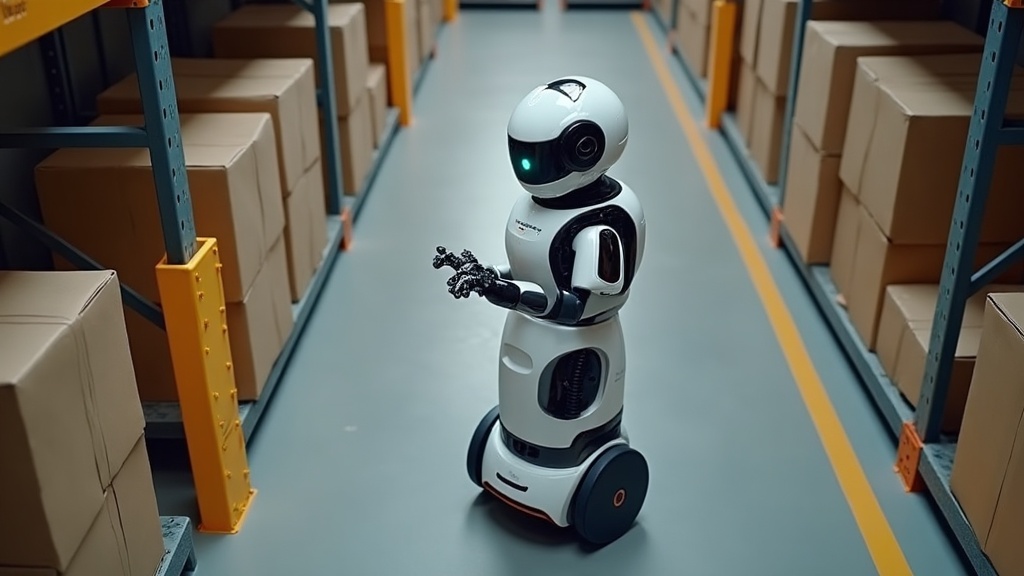
Amazon's next-gen Proteus warehouse robot now takes plain-English commands, part of a $11.6B European push as it hires 25,000 and automates fulfillment.

Google Gemma 4 12B is an encoder-free multimodal model that runs text, image, audio, and video on a 16GB laptop under Apache 2.0 with a 256K context.

Microsoft launched 7 MAI models spanning code, reasoning, image, voice, and transcription at Build 2026, a full-stack bid to cut its OpenAI reliance.

Groq is raising $650M from Disruptive and Infinitum to rebuild as an AI inference cloud after Nvidia paid a reported $20B for its engineers and chip IP.
The Great American AI Act, a 269-page bipartisan draft, builds a $100M federal AI standards center and mandates Frontier AI Frameworks for $500M firms.
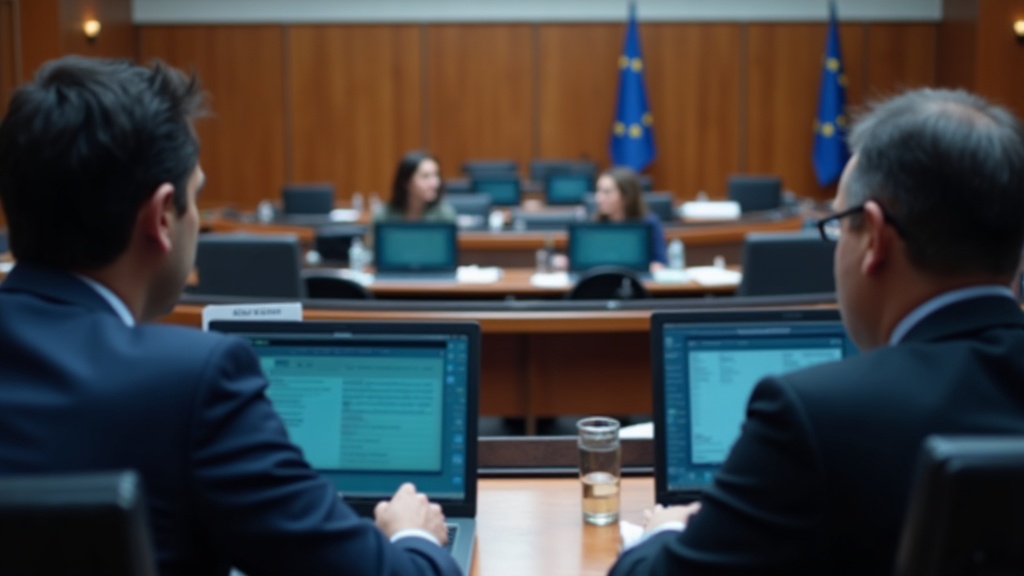
OpenAI grants the EU limited preview access to GPT-5.5-Cyber for vulnerability hunting and malware analysis, while Anthropic keeps Mythos restricted.
Claude Opus 4.8 scores 61.4 on the Artificial Analysis Intelligence Index and 69.2% on SWE-Bench Pro, beating GPT-5.5 just 41 days after Opus 4.7.
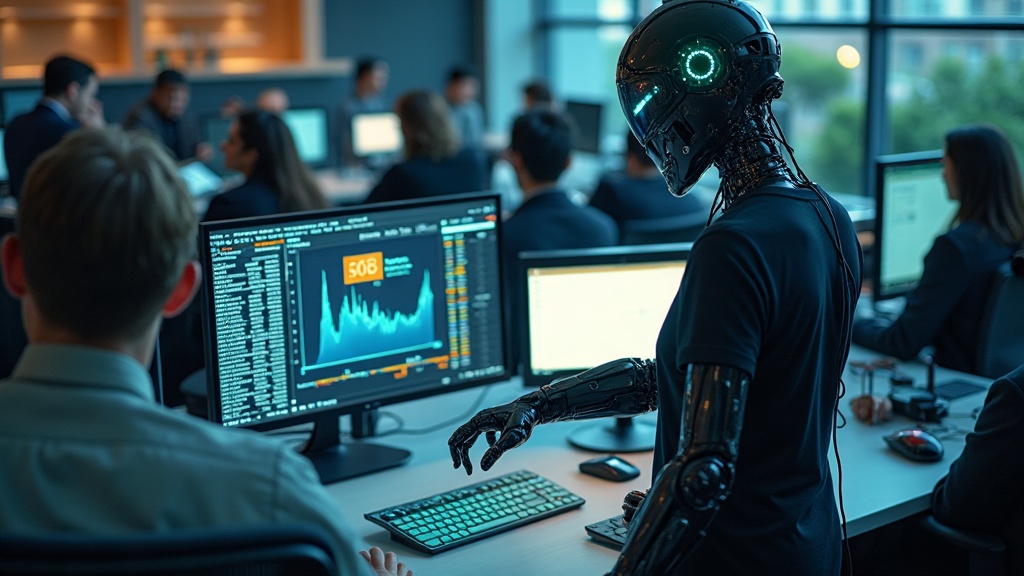
Innefu Labs raised $30M led by Panthera as governments bet that sovereign defense AI they control beats more capable foreign models.

Cambridge and DIOSynVax dosed 39 volunteers with the first AI-designed vaccine, covering the whole coronavirus family with one computed super-antigen.

Supabase raised $500M at a $10.5 billion valuation led by GIC, doubling in eight months as the default backend for AI vibe-coding tools.
Intel launched OpenVINO Physical AI, an open-source robotics runtime for vision-language-action models, to own edge robot deployment before Nvidia can.
OpenAI launched Rosalind Biodefense, giving governments and vetted devs free GPT-Rosalind access for pandemic prep, as AI labs warn Congress on bioweapons.

Cerebras signed a $20 billion deal to supply OpenAI up to 2 gigawatts of compute through 2030, a wafer-scale bet to break Nvidia's grip on AI chips.
SAP will invest over $1B to acquire Prior Labs and its TabPFN tabular foundation models, betting structured data is the next enterprise AI battleground.
XCENA raised $135M at a $570M valuation to scale its MX1 memory chip, betting AI's true bottleneck is memory bandwidth, not raw GPU compute power.

Physical Intelligence is in talks to raise $1B at an $11B valuation, doubling its worth in four months as investors race to fund AI models for robots.

Nvidia's State of AI 2026 survey of 3,200 firms finds 86% raising AI budgets and 88% reporting revenue gains, with finance and retail leading the returns.
Intel and Foxconn unveiled a rack-scale AI partnership at Computex 2026, pairing Xeon chips and liquid cooling to challenge Nvidia in inference markets.

Yann LeCun's AMI Labs raised $1.03 billion in Europe's largest seed at a $3.5 billion valuation to build world models that learn physics, not text.

Nvidia acquired Kumo AI for over $400 million to bring graph-based predictive models for churn and fraud to enterprise data it could not read before.

Pax raised a $40M seed from Greenoaks and Benchmark after cutting violent crime 27% in six months, a record Latin America public safety AI bet.
MegaTrain trains 100B parameter LLMs on a single GPU at full precision for about $35K versus $200K, breaking the cluster barrier to frontier AI.

Google TurboQuant compresses the LLM KV cache 6x at 3 bits per value with no retraining, cutting AI inference memory and unlocking cheaper long context.

Salesforce acquires Contentful, the headless CMS used by 4,800 enterprises, to give Agentforce a native content layer for AI-built experiences.

Wikipedia editors threaten a strike after the Wikimedia Foundation cut its Community Tech team while expanding AI licensing, with 600 signing a petition.

Anthropic, Blackstone, and Hellman and Friedman put 1.5 billion dollars into an enterprise AI services firm that bought Fractional AI to deploy Claude.

Anthropic gave Claude Managed Agents self-hosted sandboxes and MCP tunnels, letting banks run AI agents inside their own AWS VPC off the public internet.