
Model Release 11 min
Anthropic Cuts Sonnet 5 to Opus Performance at Opus Price
Anthropic released Claude Sonnet 5 with Opus-level benchmarks at 20 percent lower cost, starting July 1, forcing competitors to respond.
Jordan HaleJul 2, 2026
Archive
Showing 97–144, newest first. Page 3 of 22.
Anthropic released Claude Sonnet 5 with Opus-level benchmarks at 20 percent lower cost, starting July 1, forcing competitors to respond.

Sarvam AI raises $234 million Series B at $1.5 billion valuation, with HCLTech leading as India pushes for domestic AI sovereignty independent of U.S. models.
OpenAI's Jalapeño chip offers 50% cost savings on inference, undermining Nvidia's GPU dominance as frontier labs shift to custom silicon.
GR00T N2 achieves 2.0x higher task success across 50+ hardware platforms. Foundation model control consolidates NVIDIA's position in the $12B robotics market race.
Engram emerges from stealth June 23 with $98 million Series A to build custom AI models that reduce enterprise token consumption up to 100 times.

Boston Dynamics invests $100M in Waltham expansion with 1,250 new jobs by 2033, plans third humanoid robot platform as competition intensifies.

State Grid orders 500 humanoid robots for $1B as Chinese manufacturers expand capacity while Western makers remain in small-scale pilot phase.
OpenAI and Broadcom ship custom LLM inference chip with 50% lower costs versus NVIDIA, targeting production deployment Q4 2026 with gigawatt-scale rollouts.

Trump's June 2 executive order requests voluntary NSA review of frontier models with no enforcement, prioritizing transparency over mandatory control.

Google's Gemini 3.5 Pro launches with 2M token context window, Deep Think reasoning mode, and $15/$60 pricing—the largest frontier model memory to date.
50,000 attendees, Kawasaki's 8-DOF humanoid, and ABB's physical AI standard reveal enterprises moving from evaluation to procurement in manufacturing.
Nvidia releases Cosmos and GR00T foundation models as Boston Dynamics, Richtech, and Neura unveil robots powered by new physical AI stack.
Anthropic Fable 5 export ban: SK Telecom flagged as China-linked, Amazon vulnerability findings trigger geopolitical fallout and market fragmentation.
xAI Grok 4.3 achieves sub-1% hallucination while costing 2-5x less than GPT-4o Reasoning, now available on Amazon Bedrock with configurable reasoning effort.
Kinova unveils KIMA, first surgical robot designed for clinical compliance, challenging Intuitive's 80% monopoly through modular platform designed from clinical-first principles, not retrofitted from industrial.

Faraday Future debuts its EAI robotics education platform and commercial hardware on June 16, targeting schools and consumers with ecosystem lock-in
SandboxAQ secures $500 million CHIPS R&D award to discover AI-driven materials replacing toxic forever chemicals in semiconductor fabs

Odyssey's $1.45B Series B signals world models are now the critical infrastructure for robotics deployment as Tesla and Boston Dynamics scale.

OpenAI's pre-release test method replays 1.3M conversations through candidate models, catching safety gaps red teams miss.
Claude Fable 5 launches at $10/$50 per token, half the price of prior Mythos and with visible guardrails that trigger fallback to Opus 4.8 for high-risk requests.

Sarvam's $234M Series B, led by HCLTech's $150M strategic bet, makes India's language AI unicorn the sovereign AI template for 1B+ speakers.
Hydra Host's $100M Series A, backed by Nvidia and ARK Invest, builds a GPU marketplace across 50+ data centers to solve AI compute fragmentation.

Databricks acquires Panther Labs, targeting the security market with AI agents that automate threat detection and SOC response end to end.

Anthropic's Fable 5 ban was triggered by a normal bug-fix prompt, not a jailbreak, say 76 experts who reviewed the Amazon employee research.
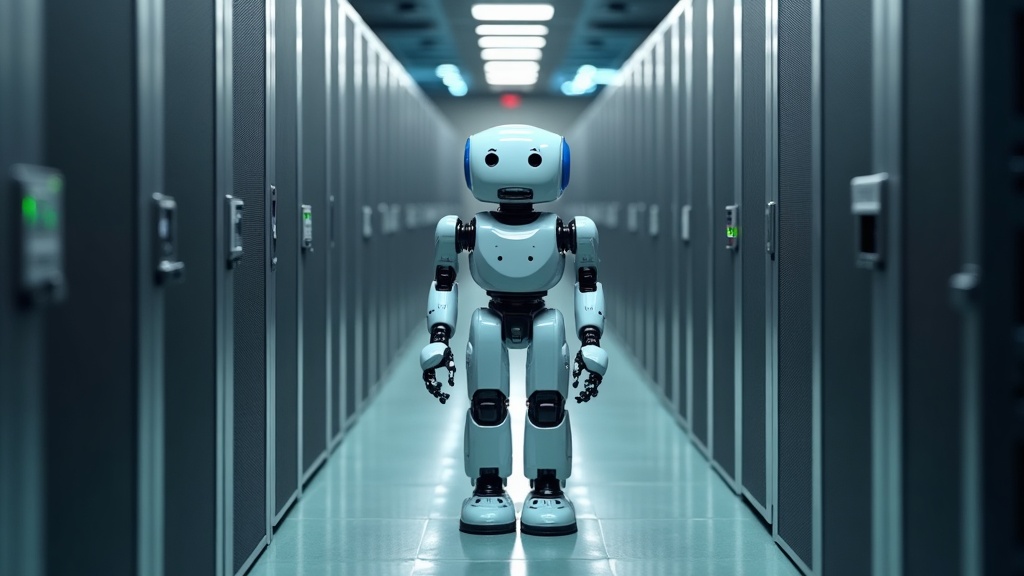
Alibaba launches Qwen-Robot, three embodied AI models for industrial robots built on Qwen3.5-4B, targeting China's surging 2026 factory automation market.
Anthropic's Fable 5 export control shutdown reveals the fatal flaw in cloud-first AI: when governments act, tenants lose and infrastructure owners survive.
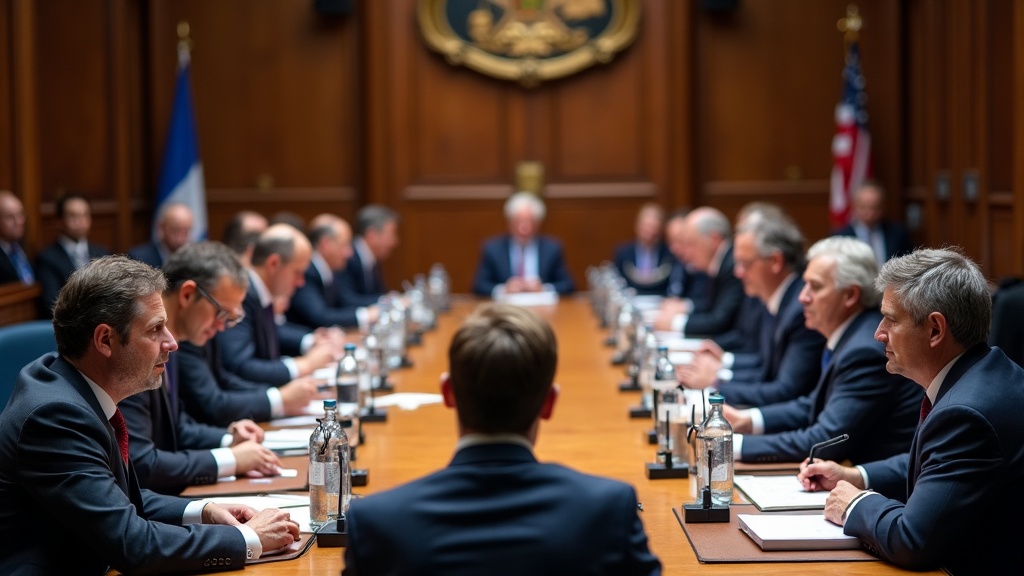
G7 summit opens in Évian June 15 with US blocking AI governance deal, as three rival lab CEOs attend for the first time alongside G7 leaders.
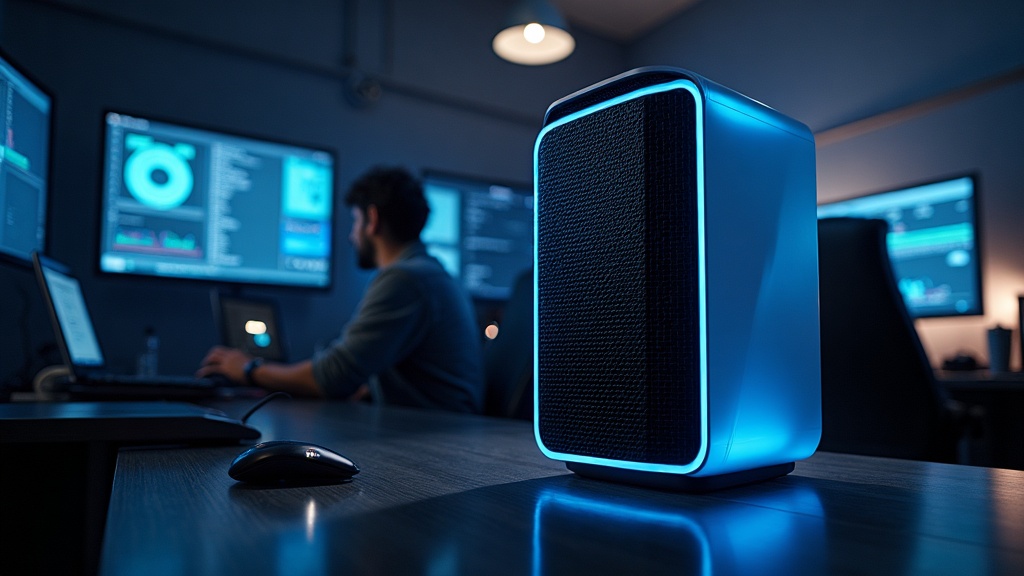
ASUS GB300 ExpertCenter Pro runs 1-trillion-parameter models on a desktop, bringing 20 PFLOPS to enterprise without renting cloud infrastructure.
OpenAI's $150M Partner Network targets 300,000 consultants by year-end, signaling the enterprise AI battle now favors implementation over raw models.

Anthropic's Fable 5 ban faces industry revolt: Alex Stamos and CISOs from Adobe, Zoom and Sophos warn Trump the directive aids US rivals, not defenders.
Sakana AI launches Marlin, an 8-hour autonomous research agent that compresses weeks of C-suite strategy analysis into a single unattended session.
Qualcomm is in talks to buy AI chip startup Tenstorrent at up to $10 billion, a move that would reshape who controls the future of AI inference hardware.
Lawrence Livermore scientists warn AI power use is unsustainable in Science, as US data centers hit 42GW and ionic chips emerge as a 100x efficiency path.
Meta's AI Mode uses public Facebook posts to answer search queries, putting 3.3 billion users' content to work in the AI platform race.
OpenAI wins dismissal with prejudice in xAI's Grok trade secret case, Judge Rita Lin ruling that routine recruiting doesn't constitute IP theft.
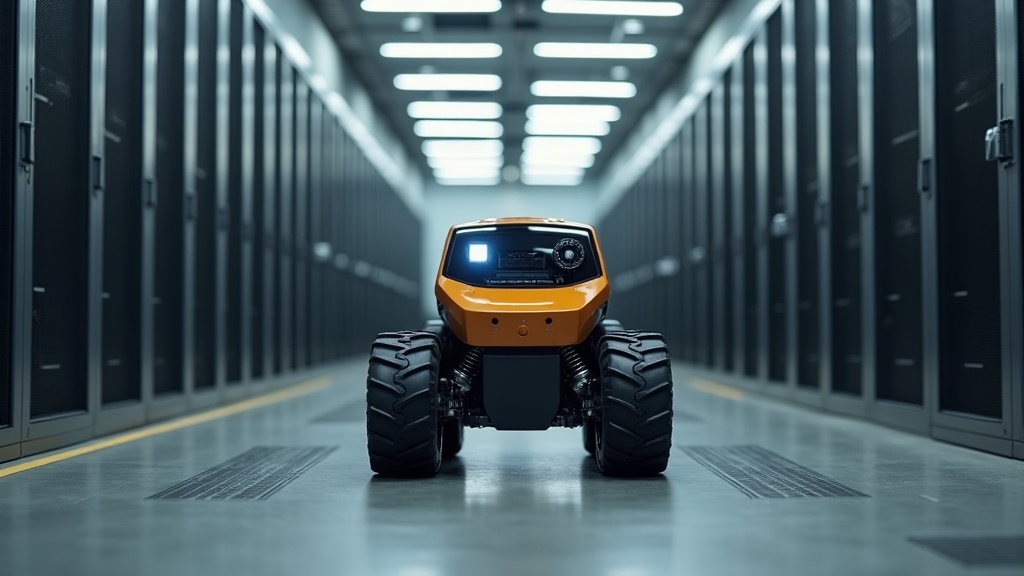
Burro's 44hp Grande robot targets construction, events, and logistics, marking the first commercial push of farm-proven autonomous follow platforms into heavy industrial work.

Salesforce acquires Fin AI for $3.6 billion, betting enterprise customer service shifts from human agents to autonomous AI as CRM market faces structural disruption.
Tech industry's 2026 layoff wave hits 183,966 workers at 974 per day, with 55% of cuts explicitly citing AI as companies pour $700B into compute.
Google and the FBI dismantled Outsider Enterprise, a Chinese AI phishing ring that used Gemini to generate fake sites, causing $1.9 billion in losses.

The U.S. government's Fable 5 export ban removed tools cybersecurity defenders use daily, triggering a public revolt by 40+ security leaders.

Z.ai's GLM-5.2 ships a 1M-token open-weight model with an Anthropic-compatible API one day after the U.S. government banned Fable 5.
GPTZero found only 5 of 45 citations in KPMG's AI report were real. UBS, NHS, and Swiss Railways denied the claims. KPMG pulled the document.
India's 50,000-strong TCS partnership with Anthropic collapsed when Fable 5 was banned, triggering calls for a $6 billion national AI mission.
Three AI lab CEOs join G7 leaders in France as the Fable 5 export ban creates the first live AI sovereignty case study for democratic allies.

Anthropic launched Claude Design after inviting Figma and Canva to co-announce it, then dropped them, in a move that challenges both companies directly.
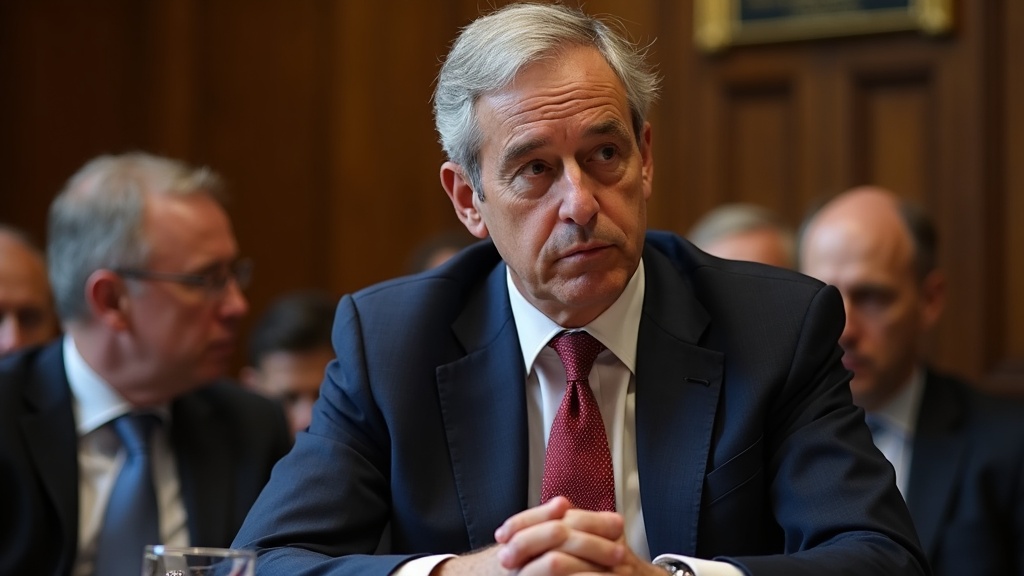
Mark Carney warns that AI model concentration among 3-4 providers now mirrors the systemic fragility that triggered the 2008 financial collapse.
Satya Nadella argues proprietary AI feedback loops build durable advantage, while enterprises that only rent frontier model access will fall behind.

FERC is set to rule on AI data center grid costs by June 30, with data centers driving 40% of PJM's $16.4 billion capacity auction and consumer bills up 15%.